Phantom Blade Zero State of Play: Full Gameplay Recap
Complete Phantom Blade Zero State of Play recap covering Soul's story, eight regions, 55-plus weapons, difficulty modes, Donnie Yen, and the lion boss.
FAQ
What did the Phantom Blade Zero State of Play reveal?
Is Phantom Blade Zero an open-world game?
How many weapons are in Phantom Blade Zero?
What is Sixty-Six Days mode?
What is Donnie Yen’s role in Phantom Blade Zero?
What did the Phantom Blade Zero State of Play reveal?
The dedicated Phantom Blade Zero State of Play finally explained how the game’s spectacular sword fights fit into a larger action RPG. Across an 18-minute, 58-second presentation, S-GAME outlined Soul’s story, the structure of the Wulin, weapon progression, difficulty modes, and Donnie Yen’s involvement before closing with an extended boss battle.
The most important reveal was not a single weapon or boss. It was the shape of the full game: a handcrafted, connected world that supports exploration and side quests; a broad arsenal designed for experimentation; and difficulty settings that change enemy behavior and, at the highest level, the consequences of death.

State of Play key takeaways
| Feature | What was confirmed |
|---|---|
| Story | Soul is betrayed, revived, and left with 66 days to find a cure and uncover the conspiracy behind his fall. |
| World structure | Eight connected, handcrafted regions; not a conventional open world and not a strictly linear campaign. |
| Exploration | Hidden enemies, side quests, rare treasures, story clues, and fast travel between discovered locations. |
| Arsenal | More than 30 main weapons and 25 secondary Phantom Edges. |
| Progression | Weapon upgrades unlock forms and techniques; reforging returns invested materials for reuse. |
| Difficulty | Wayfarer, Hellwalker, and the unlockable Sixty-Six Days mode. |
| Special guest | Donnie Yen is a creative consultant and the facial and motion-capture performer for Mó Yuan. |
| Showcase boss | An extended encounter with the mask-bound Lion Dance Grandmaster. |

Phantom Blade Zero — Wulin Gameplay and Story Deep Dive
How does Soul’s 66-day story begin?
Soul was once one of the Order’s most feared blades. After he is framed for his leader’s murder, his former allies turn against him, and a duel with his childhood sworn brother ends with a sword through his heart. A mysterious healer known as the Flesh Sculptor brings him back—but the restored life comes with only 66 days remaining.
That deadline gives the story two connected goals. Soul must search for a cure, but he must also investigate the betrayal that destroyed his place in the Order. His pursuit leads to Pang Town, where martial artists and rival factions have gathered around secrets that appear larger than his personal survival.
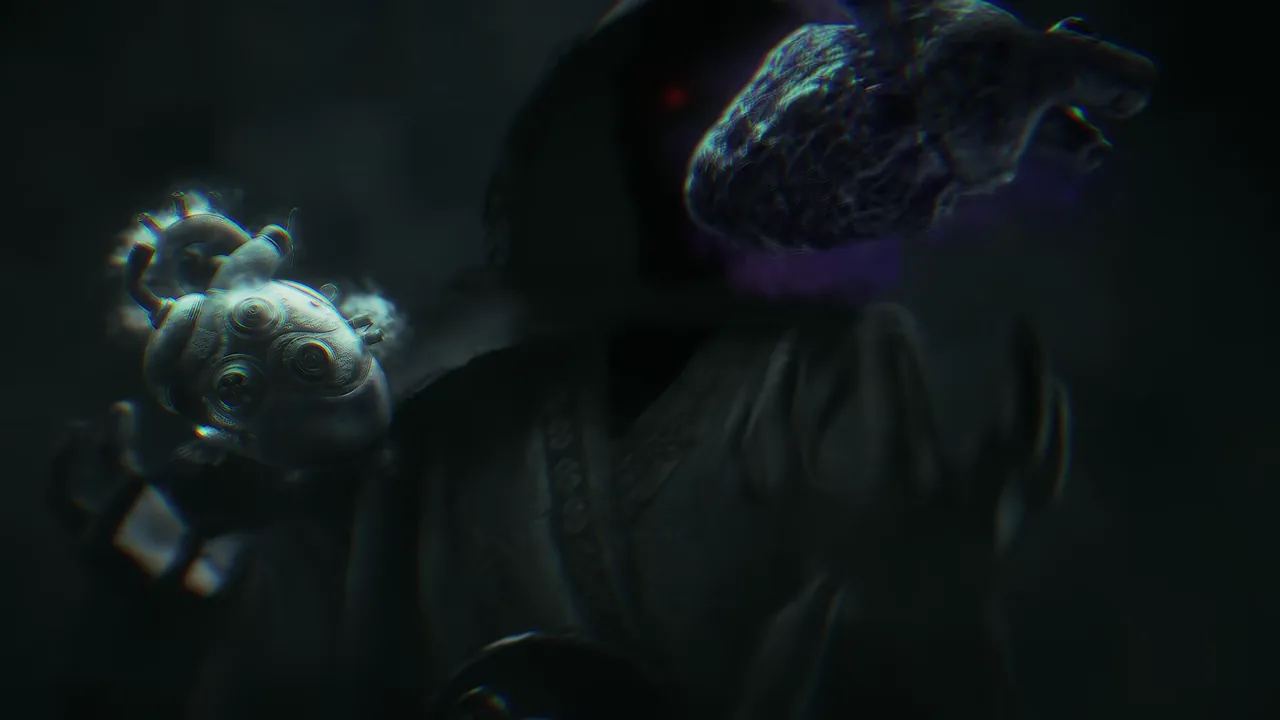
The presentation also stressed that meetings and decisions can change Soul’s path. The official PlayStation recap says helping people through side quests may open new story routes, suggesting that optional exploration can affect more than rewards.
Is Phantom Blade Zero open world?
No. Game director Soulframe Liang described the game as neither a conventional open world nor a linear journey from beginning to end. The Phantom World instead contains eight connected regions, each built by hand and presented through Chinese ink-wash maps that provide general direction rather than detailed waypoint-by-waypoint guidance.
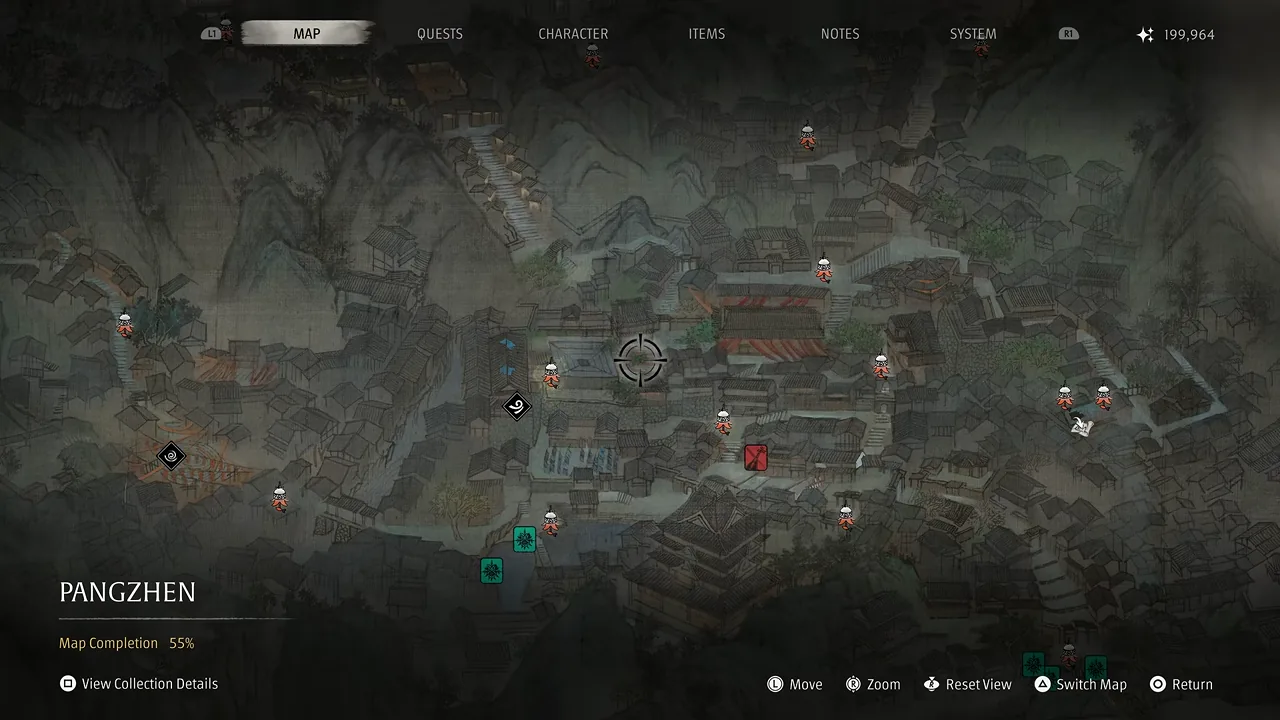
The footage moves through villages, valleys, lakes, bandit-controlled territory, a warehouse filled with hanging puppets, and a steam-powered iron tower. Bells connect discovered locations through fast travel, while less obvious routes can hide enemies, quests, rare treasure, and important story clues.
This structure sounds closer to a set of dense, interlocking adventure zones than a single unrestricted map. That is our interpretation of the announced design, not an official genre label. The practical takeaway is that players should expect purposeful exploration without the scale or navigation style normally associated with a sandbox open world.
For more background on the setting, the site’s expanding Phantom Blade Zero wiki section will collect verified locations, characters, and factions as S-GAME publishes them.
How do the 30-plus weapons and Phantom Edges work?
S-GAME confirmed more than 30 main weapons and 25 secondary weapons called Phantom Edges. The arsenal draws from martial folklore, Chinese martial-arts traditions, and action cinema, but its variety is also mechanical: different tools solve different combat problems.
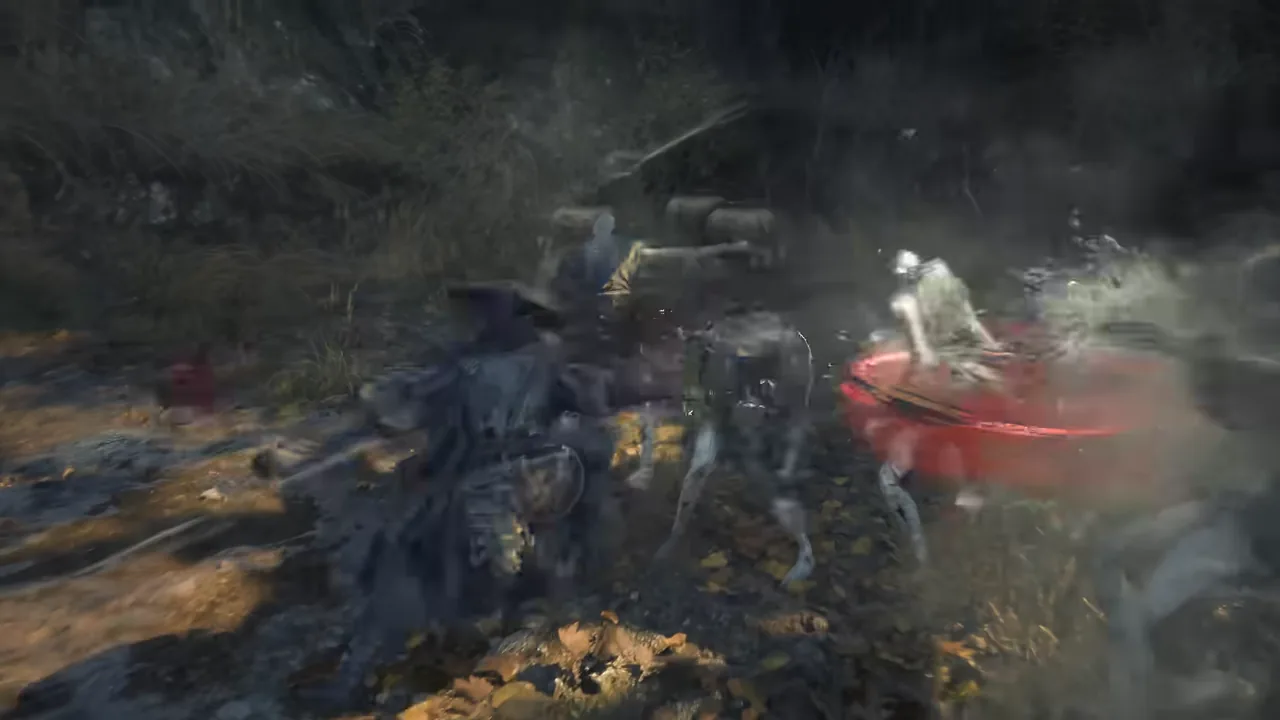
The presentation showed several examples:
- The Drunken Sword Style builds drunken energy while turning swaying, staggering movement into evasive offense.
- White Serpent and Crimson Viper form a paired setup that mixes close sword strikes with a second blade sent outward at range.
- The Soft Snake Sword coils around guards and can intercept some incoming projectiles.
- Iron fists and hammers provide the impact needed to break heavy defenses.
- The Tiger Cannon attacks groups at range, while the Flaming Mane projects fire against clustered enemies.
Weapons can be upgraded to unlock new forms and techniques, and accessories further shape a build. More importantly, the reforging system returns previously invested materials, letting players move those resources into newly found gear. That removes much of the usual penalty for discovering an exciting weapon after committing to an earlier one.
The Epic Games Store breakdown independently confirms the eight-region structure, named weapon examples, progression systems, and difficulty rules shown in the video.
What are Wayfarer, Hellwalker, and Sixty-Six Days modes?
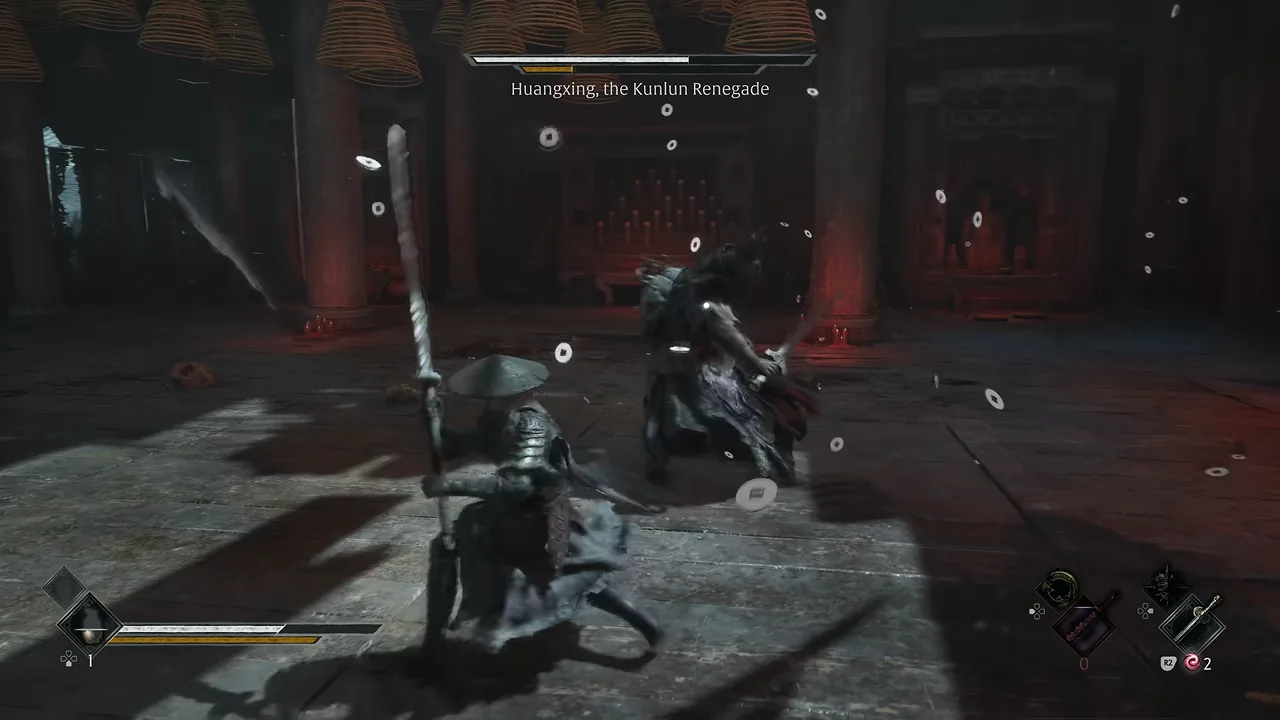
The three revealed modes are presented as different ways to experience combat rather than simple enemy-health multipliers.
Wayfarer
Wayfarer is the accessible, cinematic option. It is intended for players who want the flow and spectacle of kung fu combat without the most demanding reactions and punishment.
Hellwalker
Hellwalker is aimed at experienced action players. S-GAME says bosses do not rely only on fixed strings: they react to spacing, punish missed attacks, and adjust to player habits. The final game will determine how deep that adaptation goes, but the stated goal is a more responsive duel.
Sixty-Six Days
Sixty-Six Days turns the narrative countdown into a game system. It retains Hellwalker’s combat intensity, but every defeat consumes part of Soul’s remaining time. Reaching zero means permanent death.
This is the presentation’s most distinctive mechanical idea because it connects story and difficulty directly. It also leaves important questions unanswered: S-GAME has not yet explained how saves work, whether time can be recovered, or exactly how many in-game days each failure costs. Until those rules are published, claims beyond the confirmed death-and-timer relationship would be speculation.
What does the Lion Dance Grandmaster boss show?
The closing encounter pits Soul against a masked Lion Dance Grandmaster, a boss whose movements draw on Chinese lion-dance performance. Leaps, spinning advances, low sweeps, fire, and abrupt direction changes turn a recognizable cultural form into an aggressive combat rhythm.
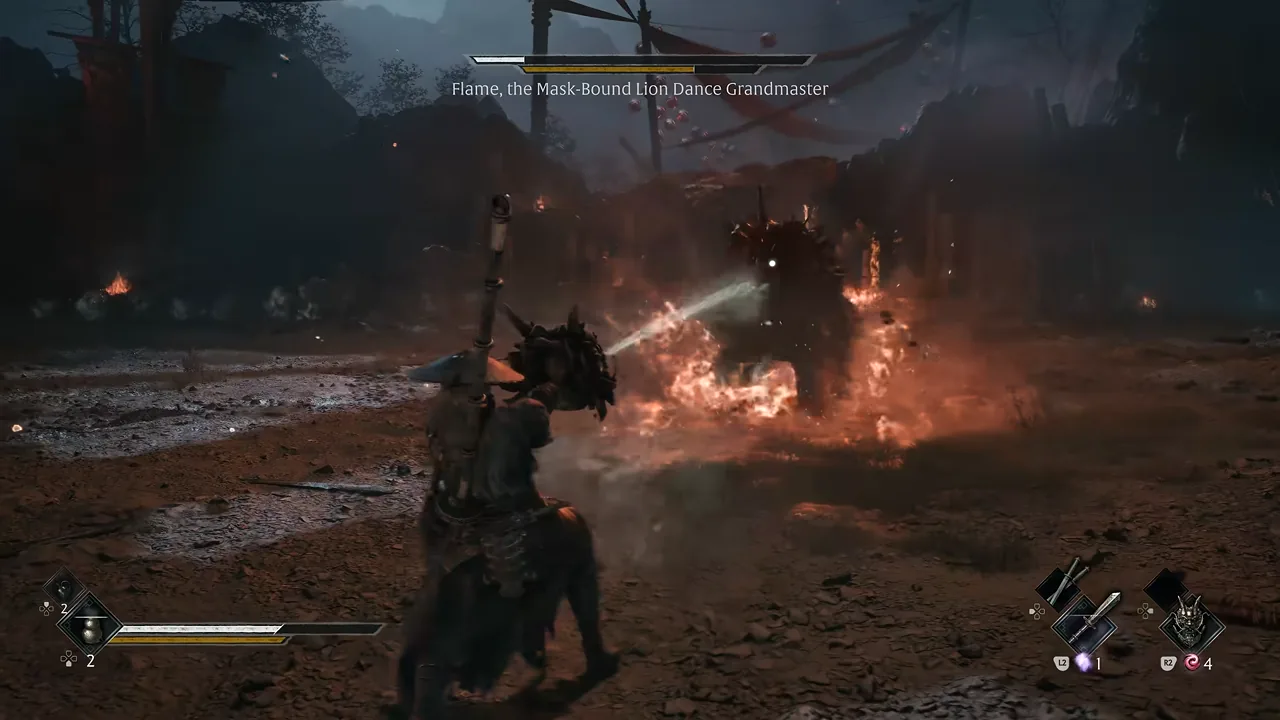
The sequence is useful because it demonstrates more than visual style. The boss repeatedly changes range and elevation, forcing Soul to defend, reposition, and choose short counterattack windows. It is a clear example of what S-GAME calls Kungfupunk: traditional martial and folk-art references reworked through fantasy machinery, body modification, and cinematic action.
The Chinese-language GamerSky presentation summary provides a second account of the story, world, weapons, difficulty modes, and lion-dance-inspired encounter. We used it as a cross-check; all wording and analysis here are original.
What is Donnie Yen’s role?
Donnie Yen has served as a creative consultant on the project since 2023. According to PlayStation, he has contributed martial-arts and action-filmmaking experience to the combat design and performs facial and motion capture for Mó Yuan, Soul’s father.
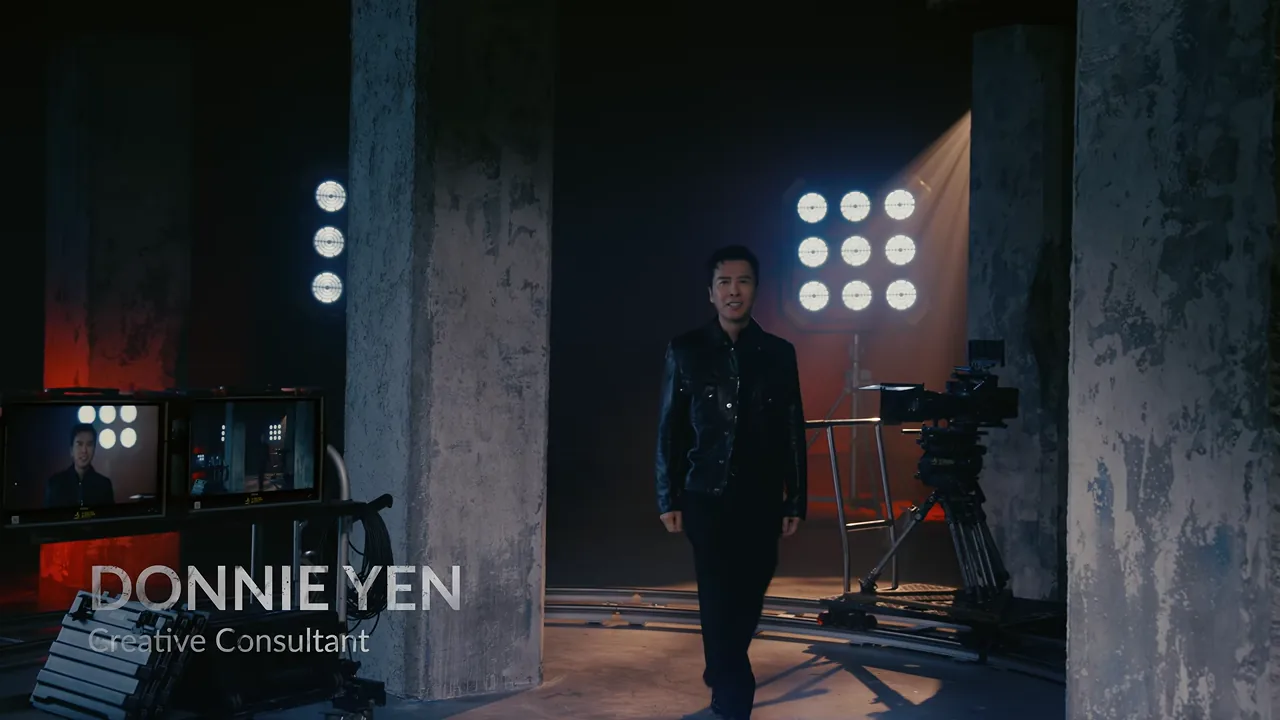
His role matters because the game is trying to translate the pacing and physical logic of kung fu cinema into player-controlled action. The State of Play frames his involvement as both performance and consultation, rather than a celebrity cameo added only for promotion. Beyond establishing the father-son relationship, official material has not yet explained how Mó Yuan fits into Soul’s 66-day journey.
What is the biggest takeaway from the deep dive?
The strongest message from the Phantom Blade Zero State of Play is that the game does not want to be judged only by fast parries and elaborate finishers. The presentation spent substantial time on connected exploration, optional quests, build flexibility, resource recovery, and difficulty design.
Three ideas now define the game more clearly:
- Exploration has structure. Eight authored regions give S-GAME room to hide routes and quests without claiming a traditional open world.
- Experimentation is expected. A 55-plus weapon pool would be less useful if upgrade materials locked players into early choices; reforging is designed to prevent that.
- The 66-day premise affects play. The standard modes use it as story pressure, while Sixty-Six Days makes defeat consume a finite resource.
Phantom Blade Zero is scheduled for October 29, 2026, with PlayStation noting October 28 in the United States and select regions. The official video description links the PlayStation 5, Steam, and Epic Games Store versions. Return to the homepage release countdown for the remaining time, browse the latest guides, or follow verified announcements in news.
Sources and verification notes
- Official Wulin Gameplay and Story Deep Dive, Phantom Blade Zero YouTube channel, published August 18, 2026.
- PlayStation Blog: State of Play combat and Wulin deep dive, published August 17, 2026.
- Epic Games Store: Everything revealed in the 20-minute deep dive, published August 19, 2026.
- GamerSky: State of Play presentation summary, published August 18, 2026.
The official video’s English subtitle track was extracted for research and checked against the official PlayStation and Epic summaries. Subtitle wording was not copied into this article, and uncertain auto-caption spellings were excluded or verified before use.
Related Articles
Was this helpful?
Thanks for the feedback!